Councils are using facial recognition technology in CCTV cameras

Facial rec camera general
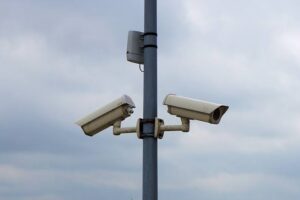
The technology, embedded in new AI CCTV cameras, is being used to target anti-social behaviour

By Sarah Wilson for Liberty Investigates and Matt Dathan for The Times


quotes

UK councils are quietly using facial recognition technology embedded in AI CCTV cameras to crack down on anti-social behaviour, Liberty Investigates can reveal.

At least two local authorities are now scanning people’s faces in real time as they move through public spaces, while others have announced plans to do the same. North Tyneside and Preston councils in the north of England are both operating more than 100 facial recognition cameras.

While the use of live facial recognition cameras by police has rapidly expanded over the last year, its adoption by councils represents another significant expansion of the technology into everyday life.

Facial recognition technology is often embedded in AI CCTV cameras, which are increasingly being deployed by councils. The cameras are also marketed as being able to detect things like weapon detection, “aggressive behaviour” and trespass, with users able to choose which functions to switch on. Some local authorities have not yet used the facial recognition function.

Preston Council said it was using the technology to assist “with the deterrence and detection of crime, anti-social behaviour, violence, and aggression”, while a North Tyneside council press release said its cameras would assist with investigations into “anti-social behaviour and other offences”. Both councils have data sharing arrangements with local police and neither consulted with the public before introducing the controversial technology.

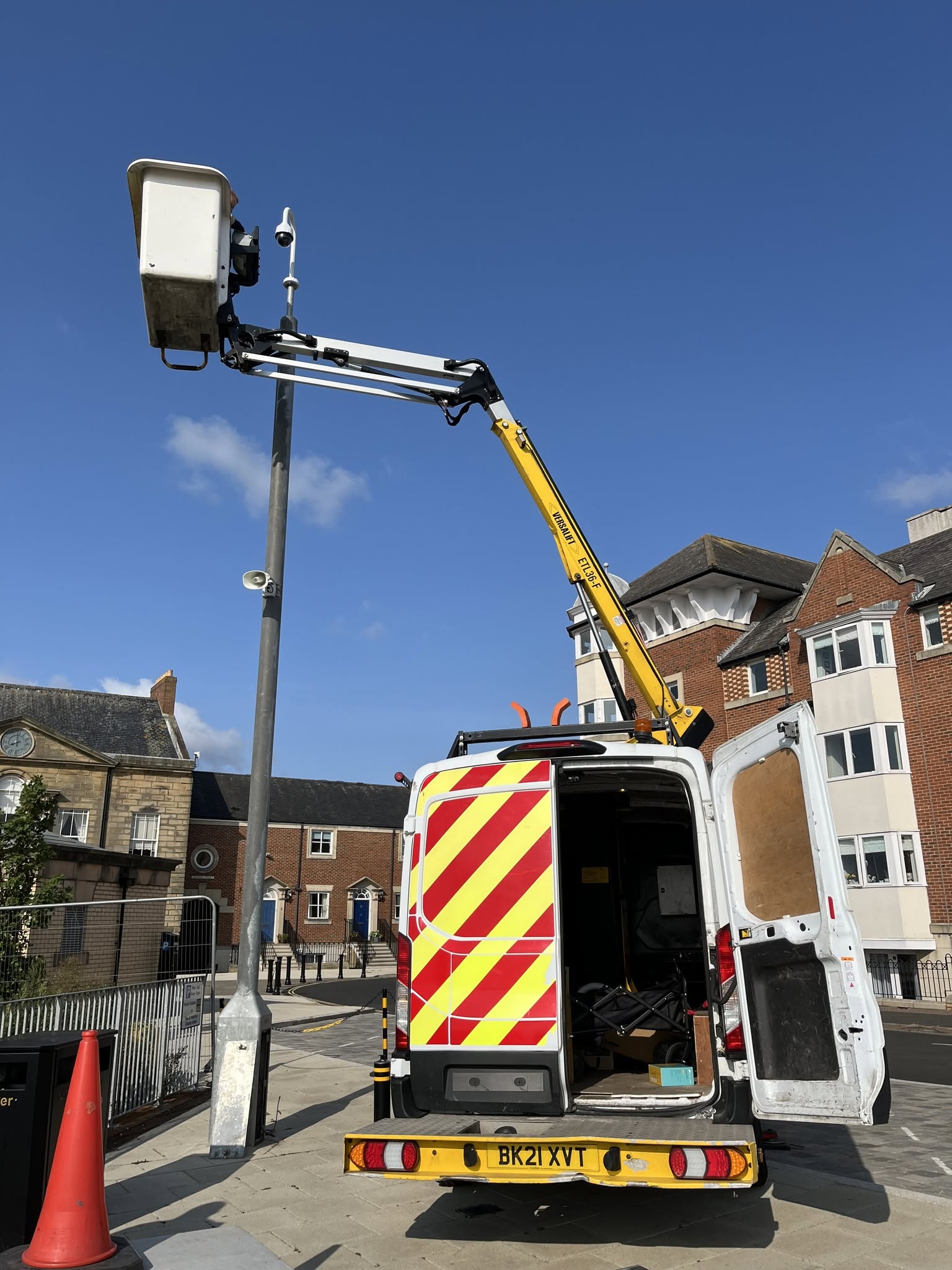
An image of a van with someone in a cherry picker installing AI CCTV cameras on a lamppost in North Tyneside
North Tyneside council announced the deployment of cameras in March. Credit: North Tyneside Council

The expansion of facial recognition technology by police has been championed by the UK government. Policing minister Sarah Jones has labelled it the “biggest breakthrough for catching criminals since DNA matching”.

But privacy campaigners have long warned about the risks of rolling out facial recognition technology on UK streets. They say its expansion into the CCTV network represents another concerning escalation.

“We know that these technologies fail. Just this month, one Sainsbury’s store has suspended its use of facial recognition after yet another case of misidentification,” said Sarah Lasoye, programme manager for pre-crime at the Open Rights Group.

“Facial recognition cameras capture and share incredibly sensitive biometric data, and their use can infringe on both digital and human rights. For local councils to have introduced widespread facial recognition across their network, without the knowledge or informed consent of the communities they serve, is nothing short of egregious.”

Three more councils – Cambridgeshire, Blaby and Buckinghamshire – previously told website Comparitech that they were using facial recognition but when asked by Liberty Investigates said they were not.

FOI data obtained by Liberty Investigates shows Preston has facial recognition enabled on 130 cameras, while North Tyneside has 193. North Tyneside council also confirmed it was operating facial recognition watchlists across all these cameras, with people added to the watchlist at the request of Northumbria Police.

Watchlists are made up of images of people being sought through facial recognition technology. Each face that is scanned by a camera is run through a computer program to see if it is a match for someone on the watchlist.

For local councils to have introduced widespread facial recognition without the knowledge or informed consent of the communities they serve, is nothing short of egregious

Sarah Lasoye, Open Rights Group

A document obtained by Liberty Investigates shows the council is using the cameras for a number of reasons, including to search for vulnerable people and “track suspicious persons and activity”, as well as to detect crime. Many of the cameras have been placed in local housing blocks to tackle anti-social behaviour.

Helen Bell, Green Party councillor for Whitley Bay North in Tyneside, expressed concern at Liberty Investigates’ findings.

“I think residents might be surprised to know that these cameras are in our town centres,” she said.

“The council have talked about cost effectiveness and safety but haven’t been clear about the exact nature of these surveillance cameras.”

Preston Council said it only has a watchlist on an internal camera “used in relation to individuals banned from the town hall”. It later confirmed that this camera was located in the “One Stop Shop,” a council contact centre for residents requiring support with welfare, benefits and other issues. Preston also has a data-sharing agreement with Lancashire Police allowing officers from the force can access the live feeds during an investigation.

The use of live facial recognition technology is continuing to expand nationally, with more police forces adopting the technology in recent months.

The British Transport Police also announced this month that it would be rolling out live facial recognition cameras at Tube stations around London as part of an ongoing pilot.

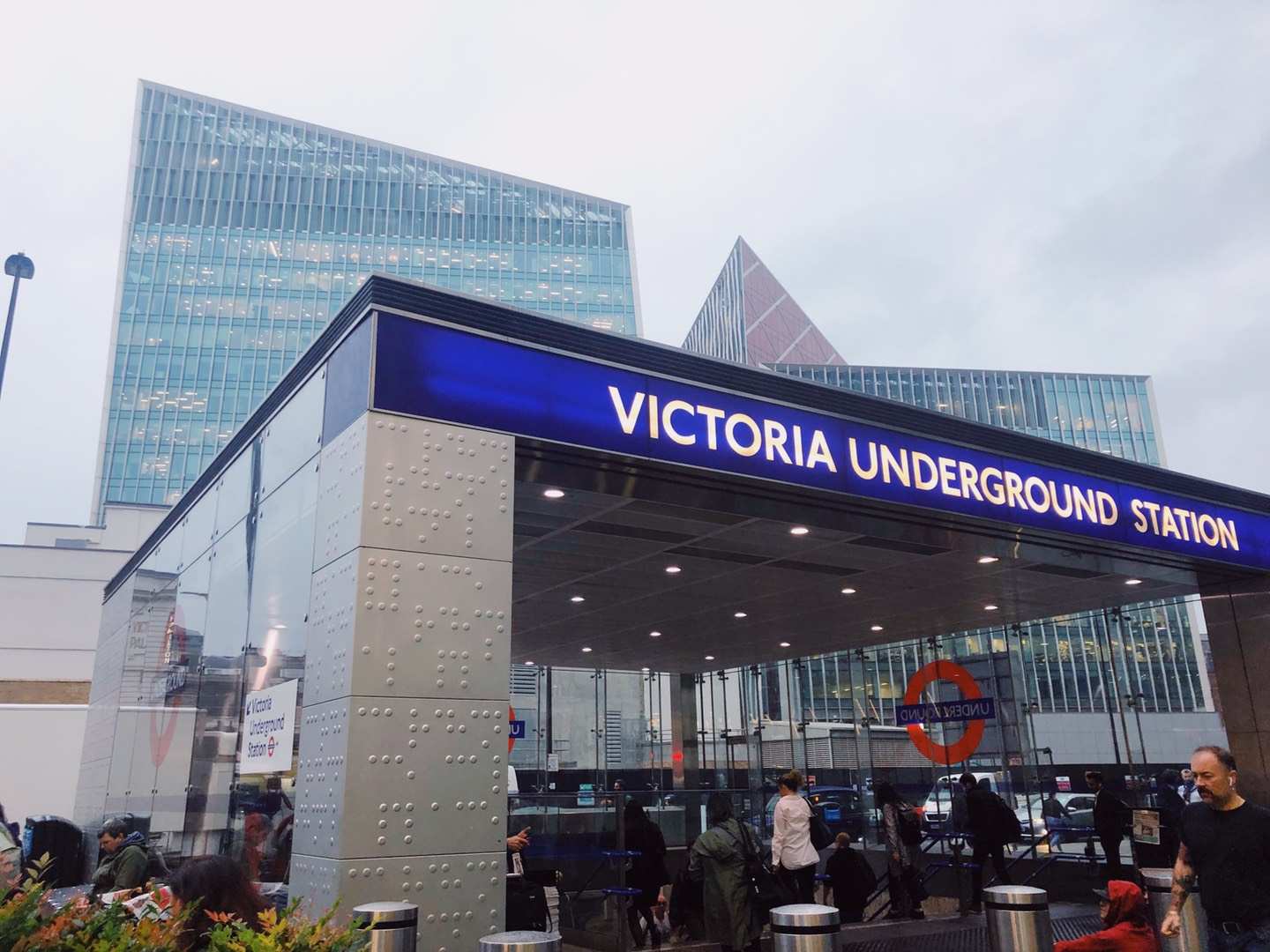
An image of Victoria Underground station in central London
Facial recognition is being trialled at London Underground stations, with the first deployment taking place in August at Victoria. Credit: Wikimedia

Private companies, including supermarket chains, have also been using facial recognition cameras in an effort to combat shoplifting. This month, a Sainsbury’s supermarket in London paused use of the technology after a man was wrongly accused of shoplifting in the store.

Earlier this year, members of the Local Government Association’s (LGA) safer and stronger communities committee expressed concerns about the “privacy, civil liberties and disproportionate impacts from technologies such as facial recognition”.

The committee proposed drafting guidance for councillors that would encourage them to “consult communities on use of surveillance, especially where AI or facial recognition is trialled”.

Despite this, other UK councils are ploughing ahead with plans for facial recognition cameras. In June, Harlow Council announced plans for a new AI-powered CCTV network featuring facial recognition, with hopes to launch it ahead of the Harlow Town Show this bank holiday weekend.

In September last year, Hammersmith and Fulham Council announced a £3.2m investment in surveillance technology, including plans for “live facial recognition cameras at 10 high traffic areas”. It also said the plans relied on support from the Metropolitan Police. When contacted by Liberty Investigates this month, the council said the cameras were not yet operational but insisted the project had not been scrapped.

Speaking on Liberty Investigates’ findings, Green MP Siân Berry called on the government to do more to regulate facial recognition technologies.

“We are already seeing the expansion of live facial recognition technology by police and private companies in the UK, but there is something even more sinister about local authorities integrating both facial recognition and AI into public CCTV networks,” she said.

“This Labour government needs to reject the idea of total state surveillance, and put proper controls on this intrusive technology.”

Stephen Ballantyne, interim director of resources at North Tyneside Council, said: “We are committed to ensuring that the use of CCTV is proportionate, compliant and subject to appropriate governance and oversight.”

Councillor Connor Dwyer, Preston’s community safety lead, said the council’s use of the technology met all legal obligations.

He said: “The council’s use of CCTV and related technology is subject to data protection legislation and appropriate governance arrangements. The technology is used for the protection of council premises, staff and visitors and is not deployed for the purpose of tracking children. Any use of surveillance technology must be supported by an appropriate lawful basis and operated in accordance with the council’s legal obligations.”

A version of this article was published in The Times. Click here to read it.